Microplastic Pollution: Solving the Invisible Threat
The world is becoming increasingly aware of the dangers posed by microplastic pollution. These tiny particles, often invisible to the naked eye, are becoming pervasive in our environment, infiltrating our oceans, rivers, and even the air we breathe. This article delves into the causes, effects, and potential solutions to this critical issue, guiding you through the complex world of microplastics.
Understanding Microplastics
Microplastics are small plastic pieces less than five millimeters in size. They originate from a variety of sources, including the degradation of larger plastic waste, synthetic fibers from clothing, and microbeads used in personal care products. Despite their minuscule size, they carry significant environmental threats.
Sources of Microplastic Pollution
- Primary Microplastics: These are manufactured small, such as microbeads found in exfoliants or industrial scrubbers.
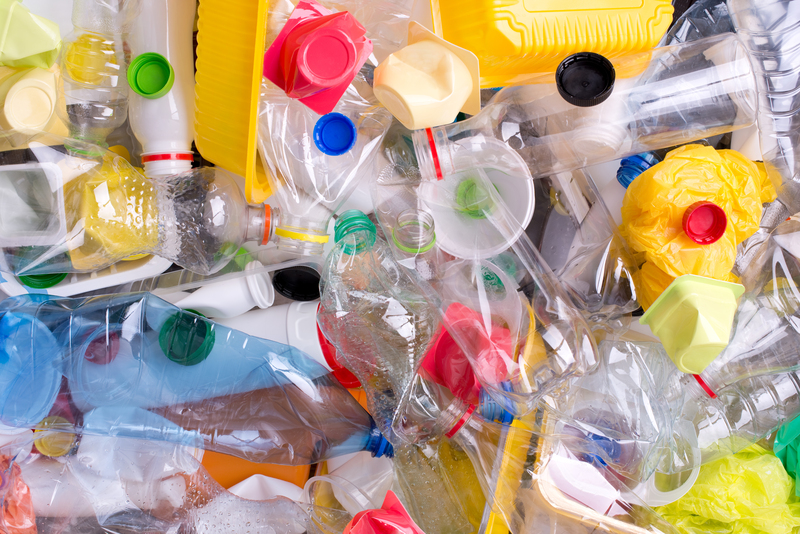
- Secondary Microplastics: Resulting from the breakdown of larger plastic items like bottles, bags, and fishing nets due to environmental processes such as weathering and ocean currents.
The Environmental Impact of Microplastics
Microplastics pose a significant threat to marine life. Being mistaken for food, they are consumed by fish and other marine organisms, leading to physical harm and chemical contamination. This not only affects biodiversity but also has implications for human health, as these particles move up the food chain.
Human Health Concerns
Recent studies indicate the presence of microplastics in human organs, raising concerns about potential health impacts. These plastics often carry toxic chemicals, which can include phthalates and bisphenol A (BPA), known for their adverse health effects.
Addressing the Invisible Threat
Tackling microplastic pollution requires a multifaceted approach, encompassing policy changes, technological innovation, and increased global awareness. Below are some strategies being explored to mitigate this pervasive issue.
Policy Changes
- Bans on Single-Use Plastics: Many countries are implementing bans on single-use plastics, which are major contributors to plastic pollution.
- Microbead Legislation: Several nations have banned the use of microbeads in personal care products, reducing primary microplastic sources.
Technological Innovations
Advancements in technology offer promising solutions. Filtration systems for wastewater treatment facilities are being developed to capture microplastics before they enter waterways. Additionally, new biodegradable materials are being researched to replace traditional plastics.
The Role of Individuals in Reducing Microplastic Pollution
While policy changes and technology are vital, individual actions are equally important. Here are some ways you can contribute:
- Reduce Plastic Usage: Opt for reusable products, such as bags, bottles, and utensils, to minimize your plastic footprint.
- Choose Plastic-Free Products: Use personal care products without microbeads and select clothing made from natural fibers.
- Participate in Cleanups: Join or organize community clean-up events to remove plastic waste from local environments.

Future Directions
Looking ahead, the world must continue to invest in research and innovation to fully understand the effects of microplastics and to develop effective strategies to combat them. Collaboration between governments, industries, and individuals is crucial to creating a sustainable future.
International Collaboration
Microplastic pollution is a global issue that knows no borders. International cooperation can enhance the effectiveness of policies, share technological advancements, and cultivate a global understanding of the threats posed by microplastics.
Conclusion
Microplastic pollution is indeed an invisible threat with visible consequences. By embracing policy reforms, technological advancements, and individual responsibility, we can address the challenges posed by microplastics. Together, we can safeguard our planet for future generations and ensure a healthier, cleaner environment for all.
By understanding and tackling the issue of microplastics, we move closer to a paradigm where plastic is seen not just as convenient but as a substance to be managed responsibly. It is through unified efforts that we can hope to solve the invisible threat of microplastic pollution.