Harnessing the Potential of Waste in Renewable Energy
The growing concern over climate change and the limited supply of fossil fuels have prompted researchers and governments worldwide to explore alternative energy sources. As we transition to a more sustainable future, the concept of harnessing waste as a form of renewable energy is gaining significant traction. This approach not only addresses the pressing issue of waste management but also contributes to the generation of clean and sustainable energy.
What is Waste-to-Energy?
Waste-to-energy (WTE) refers to a process where waste products are transformed into usable forms of energy, such as electricity or heat. This process involves converting waste materials, often through combustion, into power, thereby reducing the burden on landfills and leveraging discarded materials for energy production.
The Different Types of Waste for Renewable Energy
Various kinds of waste hold the potential to be transformed into renewable energy sources. These include:
- Municipal Solid Waste (MSW): Household waste like paper, plastics, and organics, which are often buried in landfills.
- Industrial Waste: By-products from industrial processes, including chemicals, metals, and other residues.
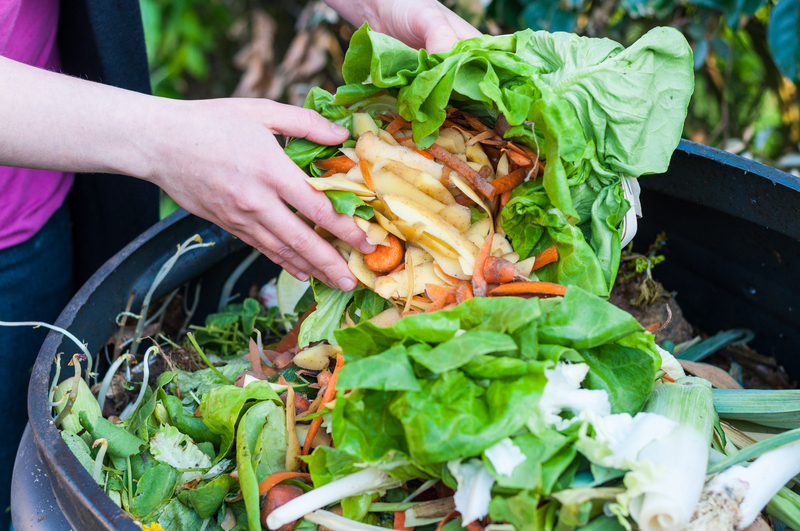
- Agricultural Waste: Organic materials that are discarded after farming, such as crop residues and animal manure.
- Biomass: Organic waste materials from plants and animals, used extensively in bioenergy production.

Technological Innovations in Waste Conversion
Several advanced technology solutions are pioneering the transformation of waste into viable energy sources. Key methods include:
1. Incineration
Incineration is one of the most common methods, involving the combustion of organic materials in waste under controlled conditions to generate heat, which is then converted into electricity. Despite its effectiveness, it raises concerns regarding emissions and pollution.
2. Anaerobic Digestion
This process decomposes organic waste materials in the absence of oxygen to produce biogas, a mixture of methane and carbon dioxide, which can be used to generate energy.
3. Gasification
An advanced method where waste is heated at high temperatures in a low-oxygen environment to produce synthesis gas (syngas). The syngas can then be utilized for electricity generation or as an input for chemical manufacturing.
4. Pyrolysis
Pyrolysis involves heating organic waste in the absence of oxygen, resulting in the production of bio-oil, syngas, and char. This technique is particularly suitable for converting plastics and other complex waste materials back into usable energy forms.
Environmental and Economic Benefits of Waste-to-Energy
Besides providing an alternative energy source, waste-to-energy presents numerous environmental and economic benefits:
Reduction in Landfill Usage
Converting waste into energy minimizes the volume of waste directed to landfills, prolonging landfill lifespan and reducing the required space for waste disposal.
Minimized Greenhouse Gas Emissions
By capturing methane emissions from waste decomposition and converting them into energy, waste-to-energy solutions help mitigate the impact of greenhouse gases on climate change.
Job Creation and Economic Opportunities
The development and operation of waste-to-energy facilities create new employment opportunities while driving local economic growth.
Challenges and Considerations
Although promising, the waste-to-energy sector faces several challenges that must be addressed:
High Initial Costs
The construction and maintenance of waste-to-energy facilities require substantial investment, posing financial barriers for widespread adoption.
Regulatory and Environmental Hurdles
Strict regulations and environmental standards must be met to ensure that waste conversion processes do not inadvertently harm the environment through emissions or other pollutants.
Public Perception and Acceptance
Overcoming public skepticism about the safety and environmental impact of waste-to-energy plants is crucial for their widespread implementation.
Future Prospects and Innovations
Research and technological advancements continue to evolve the landscape of waste-to-energy solutions. Emerging trends include the integration of smart technologies and artificial intelligence to optimize waste sorting and energy conversion processes, as well as exploring novel feedstocks, such as algae and advanced recycling methods.
Materials Recovery
New technologies aim to enhance the recovery of valuable materials from waste before conversion, promoting circular economy principles by reducing resource consumption and wastage.
Decentralized Energy Production
The development of smaller, localized waste-to-energy plants brings energy production closer to the point of consumption, reducing transmission losses and enhancing energy security.
Conclusion: Embracing Waste as a Resource
As nations strive to achieve sustainability goals and combat climate change, the potential of waste as a renewable energy source cannot be overlooked. By investing in and adopting cutting-edge waste-to-energy technologies, we not only address the global waste crisis but also contribute to the creation of a cleaner, more sustainable future.
Ultimately, harnessing the potential of waste in renewable energy is about turning a global challenge into an opportunity. Through dedicated research, policy support, and industry collaboration, we can unlock the full potential of waste, transforming it from a burden into a valuable resource.