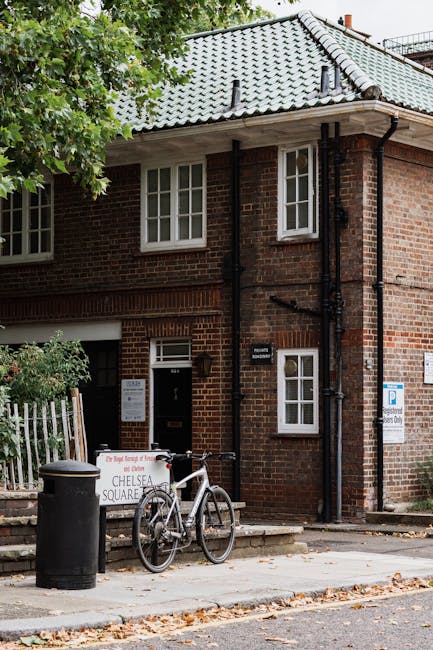
Chelsea Council Rubbish Rules and Permit Guide
If you are dealing with rubbish in Chelsea, the rules can feel a bit tighter than people expect. One minute you are clearing a flat, the next you are wondering whether a skip needs a permit, where it can sit, and what happens if waste spills onto the road. This Chelsea council rubbish rules and permit guide brings it all together in plain English, so you can avoid delays, fines, and awkward last-minute changes. It is written for anyone arranging a clearance, a small renovation, or a bulky waste job in and around Chelsea. And yes, there is a fair bit to think about.
In practice, the safest approach is simple: know what can be placed on the highway, understand when a permit is needed, and choose the right clearance method for the job. That may sound obvious, but many problems start with one rushed decision. Let's make it easier.
Contents
- Why Chelsea council rubbish rules and permit guide Matters
- How Chelsea council rubbish rules and permit guide Works
- Key Benefits and Practical Advantages
- Who This Is For and When It Makes Sense
- Step-by-Step Guidance
- Expert Tips for Better Results
- Common Mistakes to Avoid
- Tools, Resources and Recommendations
- Law, Compliance, Standards, or Best Practice
- Options, Methods, or Comparison Table
- Case Study or Real-World Example
- Practical Checklist
- Conclusion
- Frequently Asked Questions
Why Chelsea council rubbish rules and permit guide Matters
Chelsea is busy, built-up, and often short on easy parking or storage space. That changes the game. If rubbish is left on a pavement, a road, or anywhere that affects public access, the council may require a permit or may restrict the placement altogether. Even for short jobs, you cannot really assume there will be room to "just leave it there for a day". In Chelsea, that sort of guesswork tends to backfire.
The rules matter for three practical reasons. First, they help protect pedestrians, cyclists, and drivers. Second, they reduce blockages and mess outside homes and businesses. Third, they keep your project moving. A delayed permit or an incorrectly placed skip can hold up builders, decorators, or a whole house clearance. Truth be told, the admin can be more annoying than the rubbish itself.
There is also a trust issue. When waste is managed properly, neighbours are less likely to complain, and you are less likely to end up dealing with avoidable enforcement action. For larger domestic clear-outs, moving through a structured service such as house clearance or home clearance can help you stay on the right side of the practical rules from the start.
Expert summary: In Chelsea, the safest waste plan is usually the one that assumes less space, more oversight, and a stronger need for planning than you would expect elsewhere in London.
How Chelsea council rubbish rules and permit guide Works
The basic idea is straightforward. If your rubbish stays entirely on private land, such as a driveway, forecourt, or enclosed garden area, you may not need a highway permit. But if any container, skip, or waste stack needs to go onto a public road, pavement, verge, or another shared space, a permit is often required. The details depend on the exact setup, but that is the general rule of thumb.
For many people, the confusion starts with the difference between a private property and the public highway. The "highway" is not just the road. It can include the pavement, kerbside, and sometimes nearby areas used by the public. So if your builder says, "We can tuck it outside," that is not the end of the conversation. You need to know whether "outside" means private land or council-controlled space.
The council may also care about visibility, safety markings, traffic impact, and how long the waste stays in place. A skip that looks harmless on a quiet morning can become a problem by the afternoon if it blocks sightlines or narrows foot traffic. That is why many people prefer a licensed removal team rather than trying to manage the whole thing themselves.
For example, a small flat clearance may be handled through a flat clearance service, while a bigger project with renovation debris may need builders waste clearance. Different jobs create different risk levels. Different rules apply in practice, even if the legal principle is the same.
Key Benefits and Practical Advantages
Following the rules is not just about avoiding trouble. It actually makes the job easier. A permit-aware plan reduces stress, keeps people safe, and helps you stay organised. Sounds dull, perhaps, but it saves time. Plenty of time.
- Fewer delays: You are less likely to stall a project waiting for approval or reworking a bad setup.
- Less risk of fines or complaints: Proper placement and disposal are simply less likely to attract unwanted attention.
- Better access for neighbours: Chelsea streets can be tight; keeping access clear matters more than many people realise.
- Cleaner handover: If you are selling, renting, or refurbishing, a tidy rubbish plan helps the property present better.
- Safer working conditions: Less clutter means fewer trips, trips over bags, or messy spillages.
There is a practical comfort in knowing you are doing it properly. You do not wake up the next day thinking, "Did we leave half a sofa near the curb?" That alone is worth something.
For households dealing with furniture, a dedicated furniture disposal or furniture clearance option can be much simpler than trying to handle bulky items in stages. If the job is bigger still, waste removal can keep the whole process tidy and compliant.
Who This Is For and When It Makes Sense
This guide is useful for a fairly wide set of people, but the common thread is simple: if you need to move rubbish in Chelsea and there is any chance it may touch public space, you need a plan.
You may need this if you are:
- clearing a house after a move, bereavement, or long-overdue declutter
- renovating a kitchen, bathroom, or whole property
- emptying a rental flat between tenancies
- managing waste from an office, shop, or small business
- handling garden waste, old shed contents, or garage clutter
- moving bulky items that are awkward to carry through shared access
In Chelsea, access often shapes the whole job. Basement flats, mansion blocks, mews properties, and terraced homes can all create awkward loading situations. That is where a practical service such as loft clearance, garage clearance, or garden clearance can make life much easier. You are not only paying for labour. You are paying for fewer headaches.
If your rubbish is commercial, it is worth thinking about segregation, storage, and whether the waste comes from an office, a shop back room, or a site. A dedicated office clearance or business waste removal service is often the cleaner solution. No pun intended. Well, maybe a little.
Step-by-Step Guidance
If you want to stay compliant and keep the job moving, use a simple sequence. It works better than improvising.
- Identify the waste type. Is it general household rubbish, furniture, building waste, green waste, or mixed items? Different waste streams are handled differently.
- Check where the waste will sit. Private land is one thing; pavement or road space is another. This is the key permit question.
- Decide the disposal method. Skip, man-and-van clearance, bagged waste collection, or a dedicated clearance service each has trade-offs.
- Confirm access. Think about gates, stairs, parking, loading distance, and time restrictions. Chelsea access can be fiddly, and that is putting it politely.
- Book the permit or arrange an alternative. If anything is on the highway, sort this before delivery or placement, not after.
- Separate hazardous or restricted items. Paint, chemicals, batteries, gas cylinders, and some electricals need special handling.
- Keep the site tidy. Bag loose materials, cover dusty waste if needed, and keep public areas clear.
- Document what was removed. Good records help if you need proof of responsible disposal later.
A practical example: if you are refurbishing a Chelsea mews flat and have broken cupboards, plasterboard offcuts, and old flooring, you might start with builders waste clearance for the heavier debris and separate furniture items for furniture clearance. That separation makes the job safer and easier to price. It also reduces the odds of a messy all-in-one pile.
Expert Tips for Better Results
Little decisions matter in this kind of work. In our experience, the best outcomes usually come from doing the boring bits well.
- Measure access before anything arrives. Door widths, stair turns, basement steps, and driveway length all affect the plan.
- Leave a buffer for parking. Even if you think the kerb will be free, Chelsea parking can change quickly. One delivery van and the whole setup shifts.
- Use separate piles for separate waste types. Mixed waste is often harder to process efficiently.
- Ask how items will be handled once collected. Recycling and responsible sorting matter. It is not just about "taking it away".
- Take photos before the job starts. Useful for planning, useful for quoting, and useful if the space is tighter than expected.
A small but handy trick: if you know the job will include a lot of reusable furniture, deal with that first. The clearer items are removed, the less clutter clouds the rest of the decision-making. You will notice the space feels calmer almost immediately.
If you want a more structured service for a full property, home clearance or house clearance can keep the process orderly from start to finish. That tends to beat a last-minute scattergun approach, every time.
Common Mistakes to Avoid
Most problems are avoidable. The same handful of mistakes crop up again and again, usually because people are trying to save time or money in the short term.
- Assuming a skip can sit anywhere. If part of it touches the highway, a permit may be needed.
- Leaving waste loose on the pavement. That creates a nuisance and can become a safety issue very quickly.
- Mixing hazardous items with general rubbish. This is one of those things that sounds harmless until it is not.
- Ignoring access restrictions. Shared entrances, controlled parking, and narrow streets can turn a simple job into a logistical mess.
- Booking too late. Permits, collection slots, and access arrangements can all take longer than expected.
- Forgetting landlord or management company rules. In flats and managed buildings, private rules can be stricter than the council's baseline requirements.
To be fair, a lot of these mistakes happen because people are dealing with a life event rather than a tidy project. A bereavement clearance, an urgent move, or a stressful renovation rarely leaves much headspace for admin. That is exactly why a more hands-off option can be the better choice.
Tools, Resources and Recommendations
You do not need a complicated toolkit, but you do need a few basics if you are organising waste in Chelsea.
- Measuring tape: Useful for gates, lifts, stairways, and access points.
- Camera or phone photos: A quick visual record helps with planning and pricing.
- Rubbish sacks and labels: Handy for sorting, especially in busy clearances.
- Gloves and sturdy footwear: Old nails, glass, and awkward edges are common enough.
- Planner or notes app: Keep permit timings, access notes, and item lists in one place.
From a service perspective, the most relevant support pages are usually the ones that match the job type. For example, if you are clearing out a workshop or business premises, business waste removal and office clearance are more appropriate than a general household approach. If the job involves loose furniture, the route through furniture disposal can be the simplest path.
One more recommendation: use recycling and sustainability guidance as part of your planning, not as an afterthought. The best waste plans are tidy, lawful, and thoughtful. That really is the sweet spot.
Law, Compliance, Standards, or Best Practice
This topic sits in the area of local authority control, highway safety, waste duty of care, and general public-access protection. The exact permit process and placement rules may change over time, so the safest approach is to treat the council's current requirements as the authority for any specific street or site. If a skip, container, or rubbish pile is likely to affect the highway, assume compliance checks are needed before you proceed.
Best practice in the UK usually means more than simply "getting rid of it". It means making sure waste is handled by a competent party, kept secure, separated when needed, and transferred responsibly. In the real world, that also means avoiding overfilled containers, keeping loading areas clear, and not placing materials where they create a trip hazard or block emergency access.
If you are managing a property, there may also be building management rules, lease conditions, or landlord restrictions on top of council requirements. Those private rules can be just as important. In a Chelsea apartment block, for example, a concierge might allow loading only at certain times, or a management company may require notice before bulky items are taken out. That sort of detail can change the whole day.
For heavier or more specialised jobs, it is sensible to work with a company that has clear policies on health and safety, insurance and safety, and terms and conditions. Those pages matter because they show how the work is handled, not just what is being promised. Small difference? Maybe. Important difference? Definitely.
Options, Methods, or Comparison Table
There is no single "best" way to manage rubbish in Chelsea. It depends on the size of the job, the access, and whether the waste touches public space. Here is a quick comparison that helps narrow it down.
| Method | Best for | Pros | Watch-outs |
|---|---|---|---|
| Skip on private land | Projects with good access and enough space | Handy for ongoing work; can suit builders | Needs room; may still involve rules if placed on the highway |
| Permit-backed skip on the road | Homes with no driveway or front access | Useful where space is limited | Permit timing, placement limits, and visibility rules matter |
| Man-and-van clearance | Bulky items, mixed household waste, quick clearances | Flexible, fast, less space required | Less suited to long-duration jobs with heavy ongoing waste |
| Specialist waste removal | Mixed, commercial, or awkward waste streams | Better sorting, better handling, better compliance | Needs a clearer scope from the start |
For many Chelsea jobs, man-and-van style removal is the most practical. It avoids the permit question entirely if loading is done from private land or from a controlled collection point. For others, especially renovation work, a skip may still be the right fit. It depends. Annoying answer, but the honest one.
Case Study or Real-World Example
Imagine a two-bedroom Chelsea flat with a small hallway, a narrow stairwell, and no driveway. The owner needs to clear a sofa, a mattress, a broken wardrobe, and bags of mixed household clutter before new tenants move in. A skip on the road would likely trigger permit questions and parking complications, so the team decides to use a direct clearance approach instead.
They separate the furniture, keep the route through the building clear, and schedule the removal for a quiet window in the morning, before the street fills up. The bulky items go first because they take up the most space and create the most friction. Loose items are bagged, checked again, and removed in one go. No pile of half-finished rubbish outside the building, no awkward waiting, no neighbour standing at the window looking unimpressed. That last bit matters more than people admit.
The result is a cleaner exit, fewer access problems, and no need to solve a roadside placement issue at the eleventh hour. If the flat had also included old wardrobes from the loft, a combined flat clearance and loft clearance approach would have been even more efficient.
Practical Checklist
Use this checklist before any rubbish job in Chelsea. It saves stress, honestly.
- Confirm whether the waste will stay on private land or go onto the highway
- Check if a permit is needed for any roadside placement
- Measure access points, stairs, and loading space
- Sort waste into clear categories: general, furniture, builder's waste, green waste, or commercial waste
- Remove or isolate anything hazardous
- Check building management or landlord rules if relevant
- Book the collection or permit early enough to avoid delays
- Keep the site tidy and free from trip hazards
- Take photos before and after the clearance
- Use a service that can explain recycling, insurance, and safety arrangements clearly
If you can tick most of those boxes, you are already ahead of the curve.
Get a free quote today and see how much you can save.
Conclusion
Chelsea council rubbish rules and permit guide questions are really about one thing: keeping waste removal safe, legal, and manageable in a dense part of London. Once you understand where your rubbish can sit, when a permit is needed, and which disposal method fits the job, the process becomes much less daunting. You do not need to guess, and you definitely do not need to wing it.
The smartest approach is to plan for access, separate the waste properly, and choose the service that matches the property and the job size. A small, tidy plan today can save a messy afternoon later. And if you have ever tried to manoeuvre a wardrobe down a narrow Chelsea staircase, you already know why this matters.
When in doubt, slow down, check the details, and keep the route clear. The calmest jobs are usually the best ones.
Frequently Asked Questions
Do I always need a permit for rubbish removal in Chelsea?
No. A permit is usually only needed if the skip, container, or waste is placed on the public highway, such as a road or pavement. If everything stays on private land, a permit may not be required. The exact setup matters, though, so it is worth checking before anything is delivered.
Can I put rubbish on the pavement while I wait for collection?
Usually no, not without the correct permission and a safe arrangement. Loose rubbish on the pavement can block access and create hazards. In a place like Chelsea, that can quickly become a problem for pedestrians and neighbours.
What is the difference between a skip and a waste clearance service?
A skip is a container that stays in one place for loading. A waste clearance service removes items directly, often without needing a container left outside. For tight Chelsea streets, clearance services are often simpler because they avoid some of the access and permit issues.
Is builder's waste treated differently from household rubbish?
Yes, usually it is. Builder's waste often includes heavier or dustier materials such as plasterboard, rubble, timber, and packaging. It may need separate handling from general household waste. A dedicated builders waste clearance service is often the cleaner option.
How do I know if my flat clearance needs special planning?
If the property has stairs, limited parking, shared access, or bulky furniture, then yes, special planning helps a lot. A flat clearance in Chelsea often needs a clear loading plan, especially in older buildings or converted homes.
What happens if a skip blocks the road or causes an obstruction?
That can lead to complaints, enforcement action, or collection issues. It may also create safety risks. The safest route is to keep the skip or waste placement within the approved space and make sure access remains clear.
Can I mix furniture and general waste together?
Sometimes, but it is often better to separate them. Furniture can usually be handled more efficiently when grouped together, while mixed waste may be more complex to sort and remove. Separate streams can make pricing and recycling clearer too.
What should I do with old items from a loft or garage?
Sort them first. Loft and garage items often include a mix of furniture, boxes, tools, and forgotten bits that may not all be treated the same way. A garage clearance or loft clearance can help handle those awkward mixed spaces properly.
Do business premises have the same rubbish rules as homes?
The underlying waste and highway principles are similar, but businesses may have extra expectations around storage, timing, and duty of care. For shops, offices, and workspaces, business waste removal or office clearance is often more suitable than a domestic-style collection.
How far in advance should I arrange permit-related waste work?
As early as you reasonably can. Permits, access arrangements, and collection timing can all take longer than expected, especially in busy parts of Chelsea. A bit of lead time makes the whole process calmer.
What if I only have a few bulky items?
Then a full skip may be overkill. A furniture disposal or furniture clearance service can be more efficient, especially if the items are large but the total volume is modest. Less fuss, less space needed.
Where can I learn more about the company's policies and service standards?
You can review the company's about us, recycling and sustainability, payment and security, and complaints procedure pages to get a better sense of how the service is run. That kind of transparency matters more than people think.