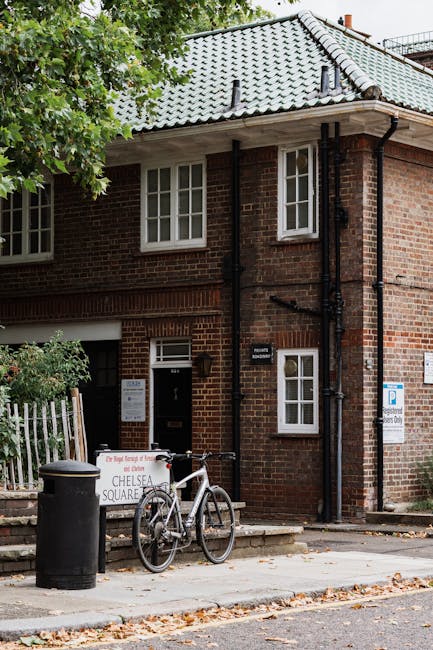
Avoid hidden rubbish charges in Chelsea: what to know before you book
If you have ever booked a rubbish clearance and then watched the final bill creep up with "extras", you already know why this topic matters. Avoid hidden rubbish charges in Chelsea what to know is really about staying in control: knowing what should be included, what might cost more, and which questions stop a small job turning into an awkward surprise. In a place like Chelsea, where access can be tight, parking can be tricky, and properties vary from compact flats to larger homes, the details matter more than people expect.
This guide walks through how hidden charges happen, how to spot them early, and how to compare clearance services with a calmer head. You will also get a practical checklist, a simple comparison table, and a few common sense tips that can save both money and stress. Truth be told, most bad experiences are preventable.
Why this matters in Chelsea
Hidden rubbish charges are not just annoying. They can distort your whole decision. A quote that looks good at first glance may become expensive once labour, access, waiting time, disposal type, congestion, parking, or additional heavy lifting gets added in. In Chelsea, that can happen faster than people think because many jobs involve narrow streets, busy loading areas, upper-floor flats, or items that are awkward to move through shared entrances.
There is also a trust issue. When a clearance company is clear from the start, you feel it straight away. The conversation is tidy. The paperwork is tidy. Nobody is trying to be clever. When pricing is vague, you end up second-guessing everything. That is rarely a good sign.
If you are comparing wider services such as house clearance, flat clearance, or office clearance, the same principle applies: the quote should reflect the real job, not a low headline figure that changes later. A proper estimate should help you understand the work, not hide it behind jargon.
Let's face it, most people do not mind paying fairly. They just do not want to feel ambushed.
How hidden rubbish charges usually happen
Most hidden charges appear when the original quote leaves out a detail that later becomes chargeable. Sometimes that detail is genuinely hard to see at first. Other times, it is not explained clearly enough. The end result is the same: the price moves.
Common examples include:
- extra charge for stairs, long carries, or no lift access
- minimum load or minimum labour fees
- parking, permits, or waiting time
- special handling for heavy furniture, white goods, or fragile items
- additional disposal costs for certain waste streams
- surprise charges for items added on the day
- fees for access problems that were not properly explained in advance
In practice, the job often starts with a photo, a description, or a site visit. A careful provider uses that information to build a realistic price. A weaker one may keep the quote low and hope to recover margin later. That is the bit to watch.
Some people think a cheap quote is always better. Usually it is not. A quote should be believable. If one price is dramatically lower than the others, ask why. Is it a genuine discount, or are the missing costs simply waiting until collection day?
For certain jobs, especially where bulky items are involved, it can help to compare related services like furniture disposal and furniture clearance. The right option depends on the mix of items, access, and how much help you need. One size does not fit all, and that is fine.
Key benefits of getting pricing right
Clear pricing does more than protect your wallet. It improves the whole experience from first call to final sweep-up.
- Less stress: You know what you are paying for before anyone turns up.
- Better budgeting: You can compare quotes properly instead of guessing.
- Fewer disputes: Clear scope means fewer awkward conversations later.
- Faster decisions: Transparent pricing makes booking easier.
- Better planning: You can organise access, parking, and timing around the real job.
There is another benefit that people overlook: a transparent company usually makes the rest of the process smoother as well. If they are organised about pricing, they are often organised about scheduling, communication, and waste handling too. Not always, but often enough to matter.
For example, if you are clearing a basement storeroom, a Chelsea mews property, or an old flat with a tight staircase, the provider should explain whether those access conditions affect the cost. Straight answer. No fluff. That sort of clarity saves time for everyone.
Who this is for and when it makes sense
This advice is useful for almost anyone arranging rubbish removal in Chelsea, but it is especially important if your job has more than one moving part. If the collection involves awkward access, mixed waste, multiple rooms, or a deadline, pricing can get messy very quickly.
You will probably benefit most if you are:
- moving out of a flat and clearing leftover items
- emptying a home after a renovation or sale
- clearing a garage, loft, or garden and do not want repeated trips
- removing office furniture or business waste
- tidying builder's debris after refurbishment
- trying to compare a few clearance quotes and spot the real value
It also makes sense if you are arranging a one-off job and do not have much time to chase small print. In those cases, the cheapest quote can be the most expensive mistake. A better question is: what will this actually cost once the truck is loaded and the invoice arrives?
If your job is broader than simple rubbish removal, related services such as home clearance, garage clearance, and loft clearance may be a better fit, because the scope can be discussed more clearly from the outset.
Step-by-step guidance
If you want to avoid surprise rubbish charges, a structured approach works best. Here is a simple method that keeps things under control.
- List everything that needs removing. Be specific. "Old stuff in the spare room" is not enough. Note furniture, bags, appliances, garden waste, or building debris separately.
- Describe access honestly. Mention stairs, no lift, narrow hallways, limited parking, or any need for permits. That detail changes the price more often than people think.
- Ask what the quote includes. Labour, disposal, VAT if applicable, loading time, and any minimum charge should all be clear.
- Ask what might increase the price. Good companies are usually upfront about this. Bad ones get vague. Very vague.
- Request a written quote or confirmation. Even a short email is better than a phone promise you cannot prove later.
- Check whether the company can handle your exact waste type. Mixed waste, builders waste, furniture, and garden waste may be priced differently.
- Compare the same scope, not just the final number. A fair comparison only works when each quote covers the same items and conditions.
- Confirm the collection process. Will the team sort, load, sweep up, and take everything in one visit? Or are there limits?
A small but useful habit: take a few photos in daylight before you book. One or two wide shots plus close-ups of anything bulky usually gives a clearer picture than a long explanation over the phone. You know what the room looked like at 10 a.m., not just what you remember after a busy day.
If you need a clearer sense of cost transparency before committing, the page on pricing and quotes is the right sort of place to start because it frames the conversation around clarity, not guesswork.
Expert tips for better results
After enough clearance jobs, a few patterns become obvious. The best outcomes usually come from people who slow down at the quoting stage and speed up later. Strange but true.
- Be honest about volume. Do not underplay the amount of waste just to get a lower number. It nearly always backfires.
- Flag anything unusually heavy or awkward. Safes, piano parts, marble tops, large mirrors, and concrete pieces are classic "oh, by the way" items.
- Separate normal rubbish from specialist waste. Builders waste, electrical items, or green waste may need different handling.
- Ask whether the team sorts on site. Sorting can affect labour time, so it is worth checking.
- Make sure the quote reflects your actual access. Chelsea properties can vary a lot from one street to the next, and that changes the logistics.
- Use one contact point. It sounds basic, but it stops mixed messages when you have a date, time, and access issue to resolve.
One practical observation: if a company sounds rushed during the quote, they are often rushed on the day too. That does not mean they are poor, of course. But it is a signal worth noticing.
For larger or more complex jobs, some readers also look at builders waste clearance or waste removal so they can match the service to the actual material instead of forcing everything into one bucket.
Common mistakes to avoid
Most hidden charges start with a misunderstanding, a rushed quote, or a bit of optimism on the customer side. Happens all the time. Here are the mistakes worth avoiding.
- Choosing only on headline price. The cheapest number may exclude labour, access, or disposal.
- Leaving out awkward items. If it is heavy, fragile, dirty, or inconvenient, say so early.
- Assuming stairs are "standard". In some jobs they are, in others they are not. Ask.
- Forgetting parking or access details. That can create extra time and cost on the day.
- Not confirming whether VAT is included. This is a classic source of confusion.
- Adding items last minute without warning. A small change can change the price, especially on tightly priced jobs.
- Not checking what happens if the team cannot get access. It is not the most exciting question, but it matters.
Another common one: people assume every company calculates waste the same way. They do not. Some quote by load space, some by item, some by labour time, and some use a mix. That is why the wording of the quote matters so much.
Tools, resources and recommendations
You do not need a toolkit in the literal sense, but a few simple resources make the whole process easier and more transparent.
- Photos of the items and access route: useful for accurate pricing.
- A short written inventory: helps avoid forgotten items and last-minute add-ons.
- Measurements for oversized furniture: especially helpful for wardrobes, sofas, desks, and white goods.
- Building or property notes: stair count, lift access, loading point, or any restrictions.
- A simple comparison sheet: quote one, quote two, quote three, with the same scope listed side by side.
For business customers, it can also help to consider whether a service is truly a one-off clearance or part of ongoing business waste removal. The pricing model may differ, and regular collections often need a clearer contract-style arrangement.
If sustainability matters to you, you may want to ask how items are sorted and where reusable pieces go. A good provider should be able to explain its approach in plain language. The page on recycling and sustainability can support that sort of conversation without making it feel heavy or technical.
Law, compliance, standards and best practice
For rubbish clearance in the UK, the safe route is to work with a provider that understands waste duty of care, responsible disposal, and basic safety obligations. You do not need to be an expert yourself, but you should expect the company to behave like one.
In plain English, that means the company should:
- handle waste responsibly and not dump it illegally
- be clear about what it can and cannot remove
- communicate pricing honestly and before the work starts
- take reasonable care when moving items through a property
- respect site safety and access issues
For heavier or riskier jobs, especially in tight buildings or mixed-use spaces, it is sensible to ask about insurance, lifting practices, and how the team manages hazards. That is not being awkward. It is just sensible.
If you want to understand how a company approaches safety and responsibility, these pages are useful: insurance and safety, health and safety policy, terms and conditions, and complaints procedure. They help set expectations before you book, which is exactly what you want when money and access are involved.
Best practice is simple: no hidden additions, no pressure, no mystery. If something changes, you should know why and agree to it.
Options and comparison
Different jobs need different approaches. A fair comparison can help you avoid paying for more service than you need, or getting too little support for a complicated clearance.
| Option | Best for | Possible risk | Pricing clarity tip |
|---|---|---|---|
| Item-based clearance | Few large items or a simple collection | Extra fees if access or item size is not stated | Confirm every item included |
| Load-based rubbish removal | Mixed waste or larger volumes | Quoting can be vague if the load is not estimated properly | Ask how loading is measured |
| Room or property clearance | Homes, flats, lofts, or full clearances | Stairs, access, and labour can change the cost | Describe access and total scope clearly |
| Specialist waste service | Builders waste, garden waste, office items, or bulky furniture | Waste type may affect disposal and handling | Match the service to the material |
There is no single "best" option for everyone. The right choice depends on how much waste you have, how it is stored, and how awkward it is to move. If you are unsure, ask for the company's view rather than trying to squeeze the job into the cheapest category. A little honesty here saves hassle later.
Case study or real-world example
Imagine a Chelsea flat where a resident needs to clear an old sofa, two wardrobes, some boxed items, and a few bags of mixed rubbish before a move-out deadline. The first quote looked attractive because it was low. But once the team asked about the third-floor access, no lift, and difficult parking outside, the price changed. Not because anyone was being difficult, but because the original description had been too light on detail.
The resident then got a revised quote after sending better photos and a clearer list. This time the price was a little higher, but it was honest. The team arrived, collected everything in one visit, and there were no surprise extras at the end. That is the kind of experience people usually want, even if they do not always say it out loud.
The lesson is simple: the more accurate your brief, the fewer surprises later. And in a busy London setting, that matters a lot. No drama, no back-and-forth, just a clean finish.
Practical checklist
Use this quick checklist before you confirm any rubbish clearance booking in Chelsea.
- Have you listed every item or waste type that needs removing?
- Have you described stairs, lift access, parking, and any long carry distance?
- Have you asked what the quote includes?
- Have you checked whether VAT is included or added later?
- Have you asked what could cause the price to increase?
- Have you requested written confirmation?
- Have you matched the service to the actual waste type?
- Have you checked the company's safety, insurance, and complaints information?
- Have you compared quotes on the same basis?
- Have you kept a copy of photos or messages in case anything is disputed later?
Key takeaway: a good rubbish clearance quote should be clear, consistent, and specific. If you feel confused after the explanation, do not rush. Ask again. Good providers are used to that, and a decent one will not mind.
Get a free quote today and see how much you can save.
Conclusion
Avoiding hidden rubbish charges in Chelsea is less about luck and more about asking the right questions early. When you describe the job properly, compare like with like, and insist on clear pricing, the whole process becomes calmer and more predictable. That is what most people really want: a fair price, a tidy collection, and no unpleasant surprises. Simple enough, but it saves a lot of grief.
If you are planning a home, flat, furniture, garden, office, or builders waste clearance, take five extra minutes before you book. Those five minutes can make the difference between a smooth collection and a frustrating invoice. And honestly, it is worth it.
In a busy part of London, a little clarity goes a long way. One good conversation at the start can spare you a very awkward one at the end.
Frequently Asked Questions
How do I spot hidden rubbish charges before booking?
Ask exactly what the quote includes, what might increase the price, and whether access issues such as stairs, parking, or long carries are already covered. If the answer stays vague, treat that as a warning sign.
What should a rubbish removal quote include?
It should ideally cover labour, loading, disposal, and any known access conditions. You should also know whether VAT is included and whether there are any minimum charges.
Why do rubbish charges change on the day?
Usually because the original description was incomplete or the team found access problems, extra items, or a different waste type than expected. Sometimes it is genuine. Sometimes it is poor quoting. The distinction matters.
Is the cheapest rubbish clearance quote always the best choice?
No. The cheapest quote can exclude important parts of the job. A realistic, transparent quote is usually better than a bargain that grows later.
Should I send photos before getting a quote?
Yes, absolutely if you can. Photos help the company judge volume, access, and item type more accurately. In many cases, they reduce the chance of surprises later.
Do stairs or no lift access cost more?
They often can, because loading takes longer and may require more labour. It is best to mention access details upfront so the estimate reflects the real work.
Can I get a better price by removing items myself first?
Sometimes yes, especially if you separate bulky furniture from small mixed rubbish. But only do that if it genuinely reduces the job and does not create extra hassle or delay.
What if I need a full property clearance rather than a few items?
Then a broader service such as house clearance, home clearance, or flat clearance may be more suitable. The price and planning should reflect the larger scope.
How do I compare two rubbish removal quotes fairly?
Make sure both quotes cover the same items, the same access conditions, and the same waste type. If one quote is missing detail, it is not a fair comparison.
Are builders waste, garden waste, and furniture priced differently?
Often, yes. Different materials can require different handling or disposal methods. That is why it helps to name the waste type clearly from the start.
What should I check before booking a company in Chelsea?
Check their pricing clarity, safety approach, complaints procedure, and insurance information. You want a provider that explains things plainly and does not hide key terms in the small print.
What is the safest next step if I am unsure about the price?
Pause and ask for a clearer written quote. If you still feel uncertain, compare another provider on the same scope. A few extra minutes now can save a lot of annoyance later.